





Advantages and applications of antifreeze fluids in cooling systems: Key to efficiency and reliability

Influence of antifreeze on cooling efficiency
Maintaining a stable temperature in the systems is crucial to the proper functioning of the system, for which reason glycol-based antifreeze (and more 😉 – read more…) play an irreplaceable role as a refrigerant. Its unique properties make it an invaluable component in cooling systems of all kinds. Thanks to antifreezes, we can rest assured of the efficiency of our installation.
Low Freezing Point: Safety in Extreme Conditions
The main advantage of glycol is its protection against freezing and overheating (which is particularly important for solar systems). As a result, even at extremely low and high temperatures, cooling systems remain active and reliable, eliminating the risk of damage caused by freezing or boiling.

Types of antifreeze: Tailoring to Specific Requirements
Refrigeration uses antifreeze fluids based on different types of raw materials; these include ethylene glycol, propylene glycol and super-efficient potassium formate. They all have similar characteristics such as antifreeze protection, corrosion protection and sediment formation. However, they differ in terms of safety and physico-chemical parameters. Find out more about our products in our videos:
Factory (monoethylene glycol)
Factory EKO (monopropylene glycol)
Supercool (potassium formate)
The choice of the right fluid is crucial for optimum system performance, so it is important to consider specific requirements and operating conditions.
Antifreeze applications in various areas
Glycol-based fluids are used in a wide variety of areas, both in industry and in households. From central air conditioning systems to industrial cooling and underfloor heating systems, their role is irreplaceable.
Safe Use of Glycol: Key to System Reliability
It is important to use antifreeze in accordance with the manufacturer’s recommendations and to ensure that the correct operating parameters are maintained. Regular monitoring of glycol concentration, pH control and adherence to storage and mixing rules are key to ensuring the reliability and efficiency of the cooling system.

The role of antifreeze in the world of refrigeration
Glycol-based fluids play a key role in cooling systems, providing temperature stability and protection against damage. Its use contributes to the efficiency and reliability of a variety of processes, both in industry and in everyday life. Therefore, it is worth appreciating its importance and ensuring that it is used correctly to ensure optimal operation of cooling systems.
Articles
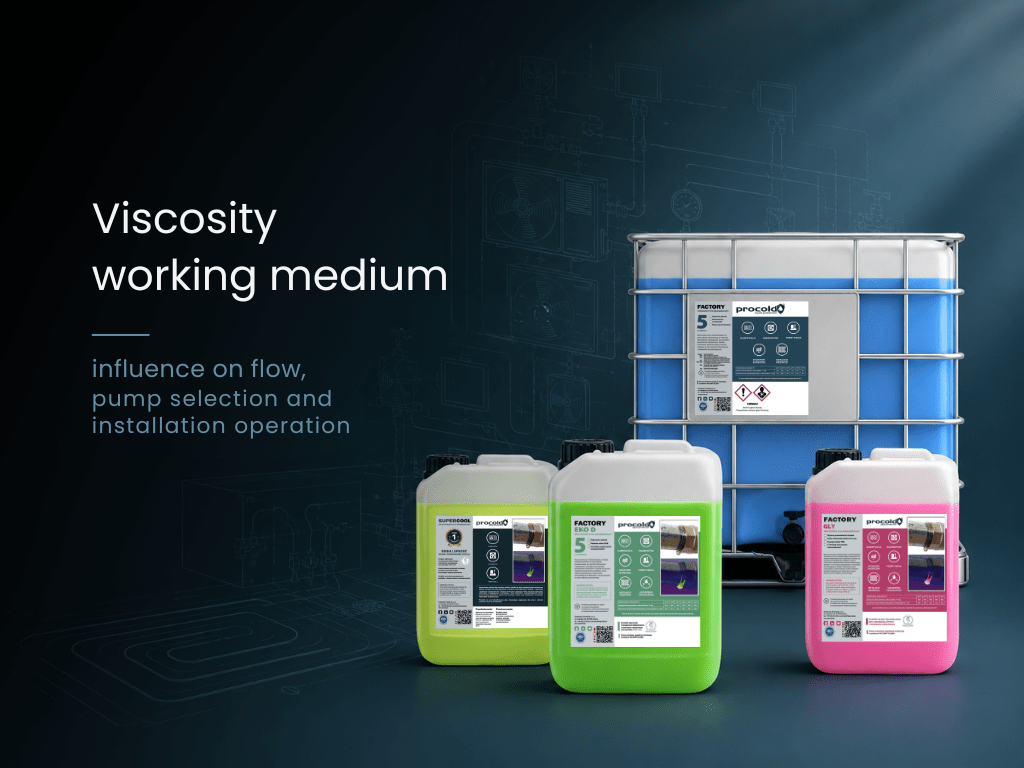
Heat-Transfer Fluid Viscosity in HVAC Systems: Why It Matters for Flow and Pump Selection
Learn how fluid viscosity affects flow, pump selection and HVAC system performance—and why every heat-transfer fluid requires the […]
05/08/2026
How to Detect Leaks in an HVAC System? The Prolight D1018 Detector Lamp in Practice
See how the Prolight D1018 helps you quickly detect leaks in HVAC systems.
02/07/2026
QuickTest Inhibitor – a quick check of the anti-corrosion protection of HVAC installations
See how QuickTest Inhibitor test strips help you quickly verify the level of corrosion protection in HVAC systems […]
01/06/2026
HVAC Optimization: How Aquacorr SI Restores System Efficiency (Case Study)
How can you protect your central heating and HVAC systems from corrosion? Discover an effective solution based on […]
28/04/2026
Water in a Heat Pump System – What Really Determines System Longevity?
HVAC system fluid – a key yet often overlooked factor in system longevity.
30/03/2026
Delivery of Factory ECO to a Large Installation – Behind the Logistics Process
What does the delivery of Factory ECO to a large installation look like? Discover the logistics process, loading […]
13/02/2026
SUPERCOOL – a new era of efficiency in industrial refrigeratio
SUPERCOOL is a breakthrough in industrial refrigeration. Discover how potassium formate reduces energy costs and increases the efficiency […]
30/01/2026
Glycol or Water in Underfloor Heating with a Heat Pump?
Glycol in underfloor heating systems with heat pumps is now a safety standard. Find out why choosing the […]
29/12/2025