


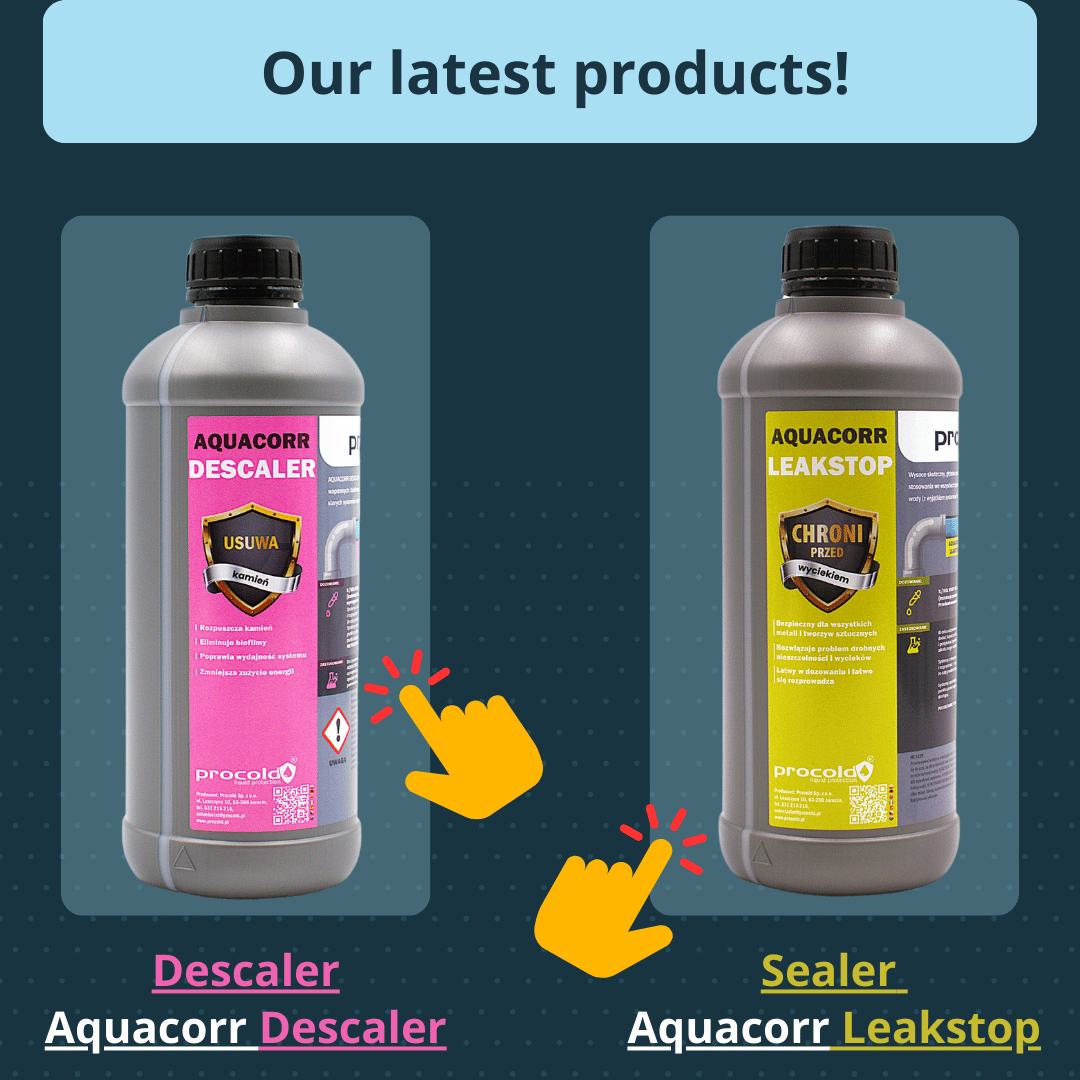


Say STOP to corrosion in your installation!
The importance of corrosion protection and water quality.

AquaCorr Si and AquaCorr OAT: Advanced corrosion protection.
AquaCorr Si – a silicate-based, efficient corrosion inhibitor that protects closed systems from efficiency loss, corrosion, and scale formation. It safeguards metals such as aluminum, aluminum-silicon alloy, zinc, copper, brass, steel, solder, cast iron, and other synthetic materials found in installations. AquaCorr Si is suitable for central heating systems, refrigeration, process heat installations, and heat pumps.


AquaCorr OAT is an organic corrosion inhibitor that protects closed installations from scale formation and efficiency loss. This inhibitor performs excellently in water-based central heating systems, solar systems, heat pumps, refrigeration, and process heat installations. It effectively prevents corrosion by safeguarding metals such as aluminum, aluminum-silicon alloy, zinc, copper, brass, steel, solder, cast iron, and other synthetic materials found in installations.
AquaPro VDI2035: Optimal circulating water quality.
AquaPro VDI2035: Ready-to-use circulating water ensuring efficiency and cleanliness of hydraulic installations in both domestic and industrial settings. Complies with the VDI2035 standard established by leading boiler and sanitary fittings manufacturers. Designed for use in closed circuits without oxygen access. This product is particularly effective where freeze protection is not required but corrosion protection for metals such as aluminum-silicon alloy, aluminum, brass, copper, steel, cast iron, solder, and zinc is a priority. The water is suitable for operation within a temperature range of 5°C to 100°C.

The dosing of corrosion inhibitors
The dosing process of corrosion inhibitors must be tailored to the size of the system, the type of materials used, and the specific requirements of the installation. As a manufacturer of such products, we always provide the recommended concentration of the inhibitor in the system, expressed as a percentage, which allows for precise adjustment of the dosage according to the heating system’s needs.

– AquaCorr Si: The recommended concentration of the product in the system is 0.1%, which means that for every 1000 liters of water in the installation, ONLY 1 liter of inhibitor should be used.
– AquaCorr OAT: In this case, the dosing is 1%, which translates to 10 liters of inhibitor per 1000 liters of water in the system.
It should be noted that precise instructions regarding the dosing and application of these products can be found on the labels and in the technical documentation.
The circulating water of AquaPro VDI2035 is provided as a ready-to-use product, specifically prepared for use in central heating installations in accordance with the VDI 2035 standard. In this case, there is no need for additional dosing because the product is already tailored to meet the water quality requirements. Simply fill the entire capacity of the installation with this product, and you’re ready to go. However, it’s important to ensure that the system is properly prepared before using AquaPro VDI2035, which includes flushing and cleaning the system of any contaminants and residues of the old fluid.
What is the difference between inhibitors and circulating water?
Circulating water is a ready-to-use solution, safer due to the lack of need for independent dosing of the inhibitor.
Summary
Protecting central heating installations from corrosion is a crucial element ensuring the long-term and efficient operation of the system. Utilizing products like AquaCorr Si, AquaCorr OAT, or AquaPro VDI2035 represents a comprehensive approach to safeguarding heating systems, contributing to their longevity, improved energy efficiency, and reduced operating and repair costs.
Articles

HVAC Optimization: How Aquacorr SI Restores System Efficiency (Case Study)
How can you protect your central heating and HVAC systems from corrosion? Discover an effective solution based on […]
28/04/2026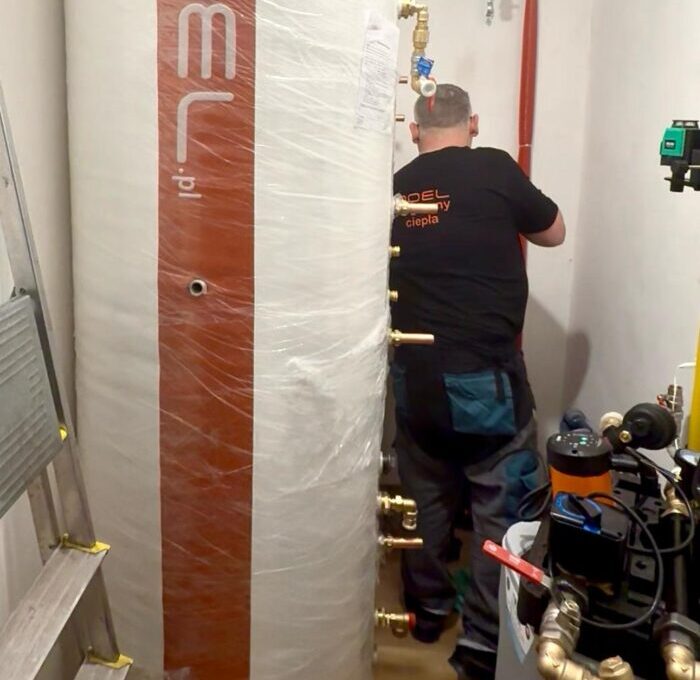
Water in a Heat Pump System – What Really Determines System Longevity?
HVAC system fluid – a key yet often overlooked factor in system longevity.
30/03/2026
Delivery of Factory ECO to a Large Installation – Behind the Logistics Process
What does the delivery of Factory ECO to a large installation look like? Discover the logistics process, loading […]
13/02/2026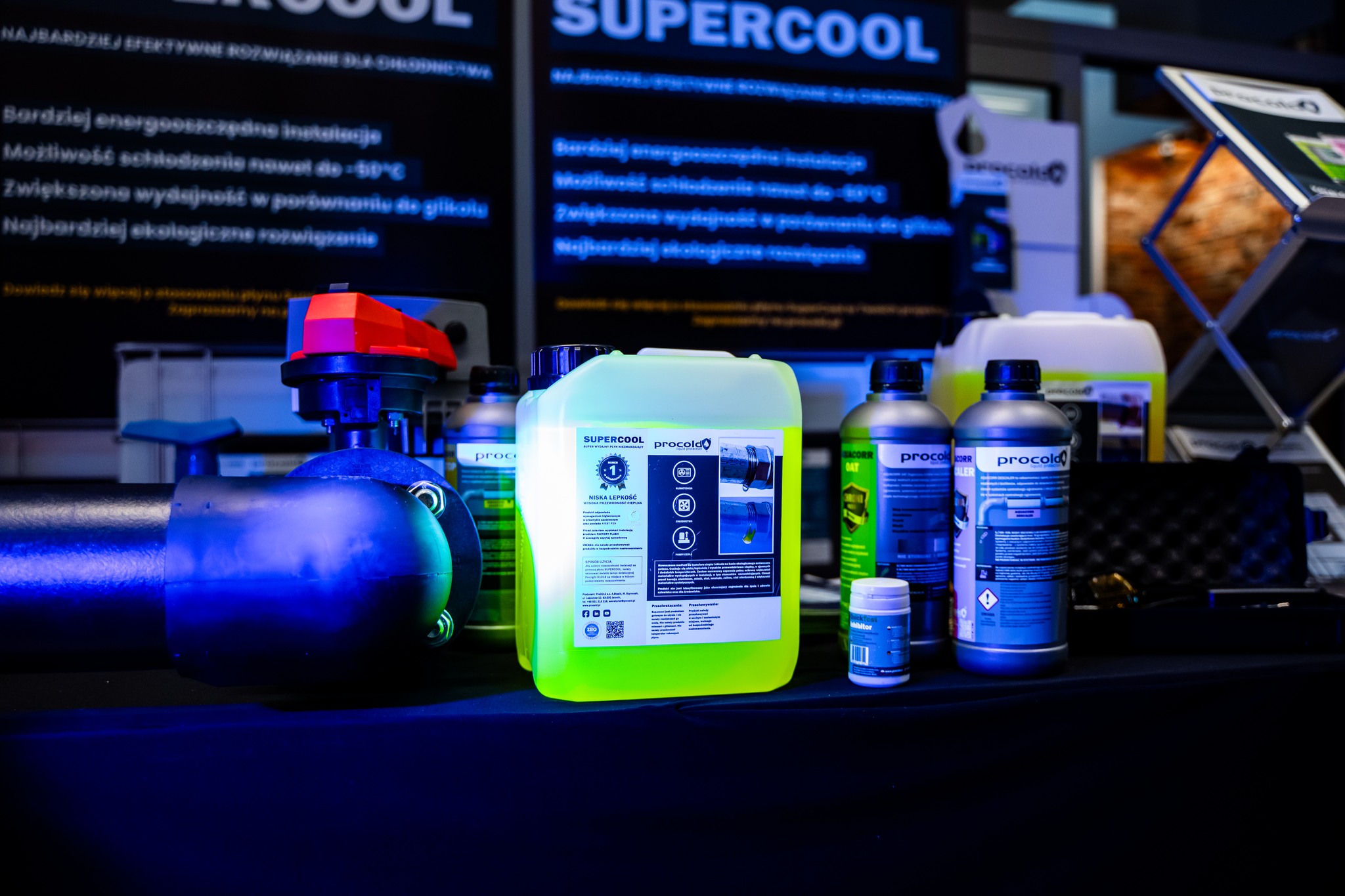
SUPERCOOL – a new era of efficiency in industrial refrigeratio
SUPERCOOL is a breakthrough in industrial refrigeration. Discover how potassium formate reduces energy costs and increases the efficiency […]
30/01/2026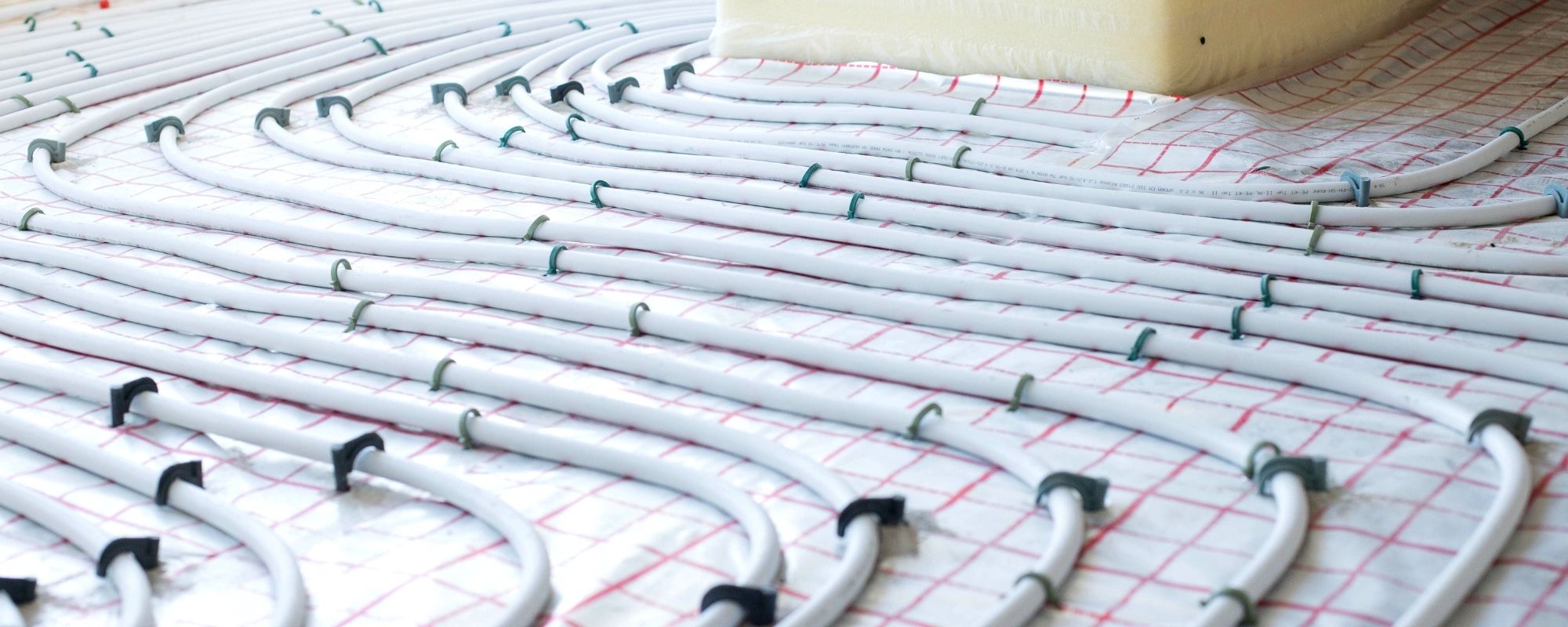
Glycol or Water in Underfloor Heating with a Heat Pump?
Glycol in underfloor heating systems with heat pumps is now a safety standard. Find out why choosing the […]
29/12/2025
5 signs that the antifreeze in your system needs urgent replacement – a practical guide for installers and industry
Antifreeze fluids — propylene glycol, ethylene glycol, brines or potassium formate solutions — play a key role in […]
10/12/2025
A stress-free September? How PROCOLD helps prepare your installation for the cooling season – from canisters to tankers!
Early September. The sun is still warm, but there is already a hint of autumn in the air. […]
29/11/2025
Glycol versus Supercool – which cools your system better?
Choosing the right antifreeze for your system is crucial for its efficiency, reliability, and longevity. We often colloquially […]
17/10/2025