




Fluids for priming heat pumps? Check out the most popular solutions
During summertime, there are usually no problems with the heat pump. The situation gets complicated in winter, when temperatures fall below zero, causing water to freeze and expand, which can burst pipes and cause permanent damage to the pump. Although this phenomenon occurs only under certain conditions, the risk is high. Find out more about this problem and learn how to prevent it.
When do low temperatures become a problem?
The risk of water freezing in the system only exists under certain conditions. First of all, the ambient temperature must fall below zero. As heat pumps are used for heating purposes, the temperature in the system should be higher than the temperature outside. This is most often the case, but in the event of a power failure, the pump stops working and the temperature of the water in the pipes goes down quickly. If someone is home, they can react quickly and prevent damage to the system. The problem starts when everyone is away. But it only affects certain type of heat pumps.

Monoblock or split heat pump – which type is prone to freezing?
There are two types of heat pump. In the case of split heat pumps, the device is divided into two units: indoor and outdoor. Four pipes are connected to the former: two for the heating circuit, such as underfloor heating, mostly filled with water, and two connected to the outdoor unit, filled with CFC. In such a system, the water circuit is located inside the building, which protects it against freezing.
The situation is different with monoblock heat pumps. The unit is located outdoors, with the underfloor heating circuit connected to it. Water in this case flows in the pipes outside the house, exposed to low temperatures. What makes matters worse, the water/CFC exchanger is also exposed to freezing. Users of monoblock heat pumps need to take utmost care with their systems.
How to prevent the water in the system from freezing?
In the event of a power cut, when the heat pump stops working, you should react as soon as possible. The first step is to drain the water from the heating circuit. Keep in mind that you will not be able to use the system until you refill it with water. It is also recommended to clean the pipes with compressed air to get rid of any residual water.
Instead of rushing to save the device every time there is a problem, it is better to prevent such situations in the first place. A battery or a genset can ensure smooth operation of the heating system even in the case of problems with the power grid. However, such devices do not completely eliminate the risk of failure, for example when the automation or the circulation pump stops working.
A much more effective solution is to fill the entire system with a fluid that has a much lower freezing point, such as glycol.
Types of fluids used for heating systems
There are two types of glycol recommended for use in heating systems that are available on the market. However, only one of these is suitable for use in domestic systems. There are also some users who opt for a spirit solution. Let’s find out which solution you should choose.
- Monoethylene glycol, depending on its concentration, has a freezing point of -12 to -35°C, so it can be used practically all winter. In addition, pipes that run outside are often insulated, which increases their resistance to sub-zero temperatures. However, monoethylene glycol is harmful to the environment and human health.
- Monopropylene glycol. Fluid recommended as the best solution for heating systems. It has similar properties to monoethylene glycol, but is inert to organisms. Accidental release of a small amount of this fluid to other systems does not pose any danger.

- Spirit solution. Some people recommend to fill the heating system with an ethanol solution. However, it has many disadvantages such as unpleasant odour, high volatility and flammability. It is dangerous for users, but also for the technical equipment. For this reason, it is prohibited by most manufacturers of circulation pumps.
You should instead use glycol in concentrations of around 30-35% in order to protect system components from damage. Adding corrosion inhibitors or antioxidants will ensure extra protection. If you need to top up the system, it is advisable to use demineralised water, taking care not to exceed the recommended concentration of the fluid.
Glycol – the best protection for wintertime
If you have a monoblock heat pump, you should remember to protect the system from chilling winter temperatures. You can do this by draining the system every time there is a power failure. However, it is more practical to prevent problems than to try to remedy them. Buying a battery or a genset is a good idea, but someone must always be at home so as to switch the power supply. In turn, filling the heating circuit with glycol can prevent all problems. Although the one-off cost of such a solution may seem high, the potential damage to the heat pump could generate greater losses and no heating for some time.
Articles
Water in a Heat Pump System – What Really Determines System Longevity?
HVAC system fluid – a key yet often overlooked factor in system longevity.
30/03/2026
Delivery of Factory ECO to a Large Installation – Behind the Logistics Process
What does the delivery of Factory ECO to a large installation look like? Discover the logistics process, loading […]
13/02/2026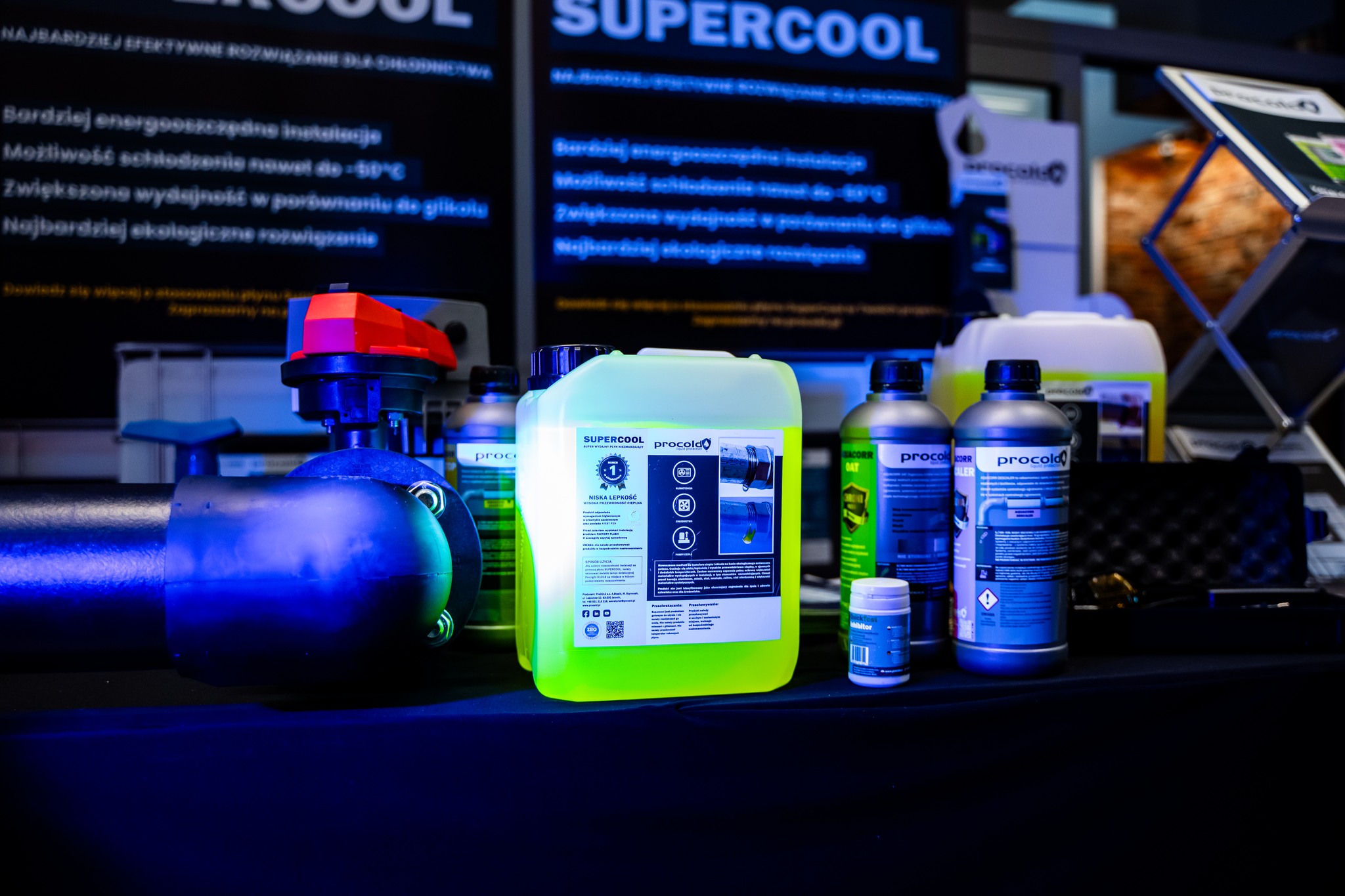
SUPERCOOL – a new era of efficiency in industrial refrigeratio
SUPERCOOL is a breakthrough in industrial refrigeration. Discover how potassium formate reduces energy costs and increases the efficiency […]
30/01/2026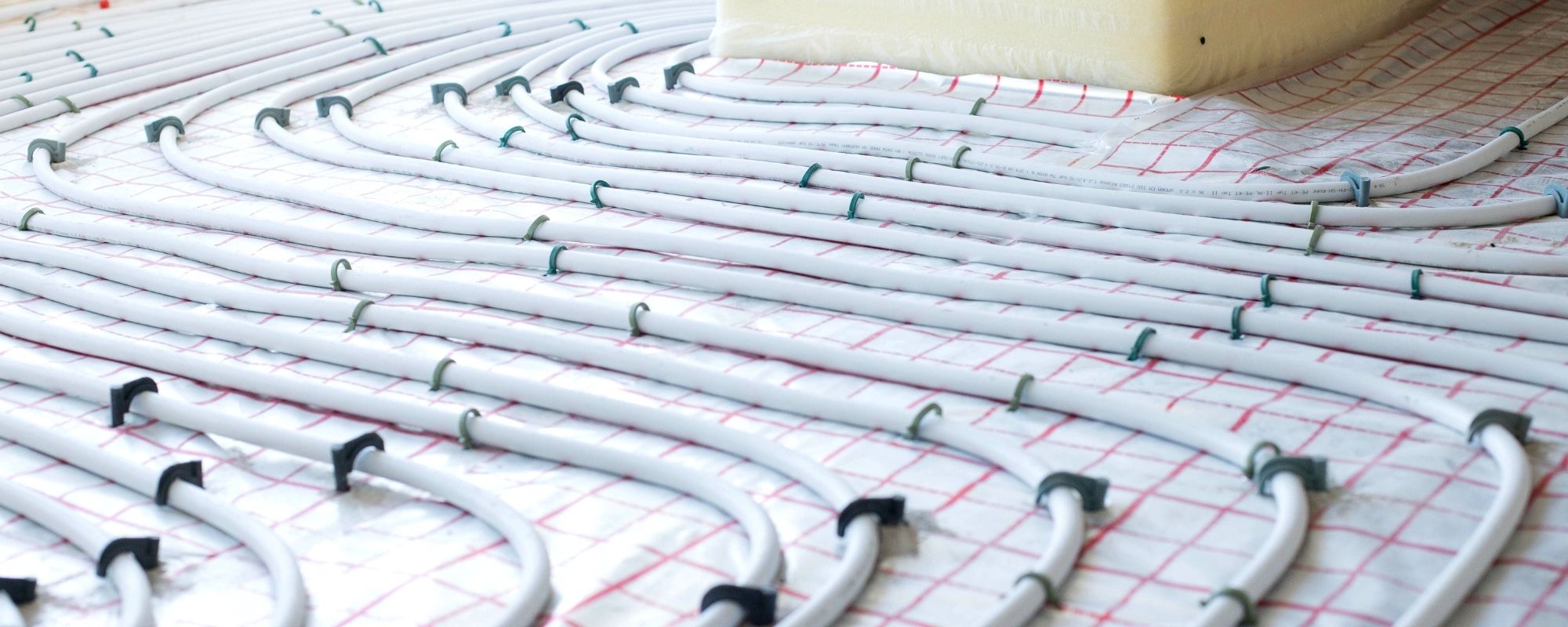
Glycol or Water in Underfloor Heating with a Heat Pump?
Glycol in underfloor heating systems with heat pumps is now a safety standard. Find out why choosing the […]
29/12/2025
5 signs that the antifreeze in your system needs urgent replacement – a practical guide for installers and industry
Antifreeze fluids — propylene glycol, ethylene glycol, brines or potassium formate solutions — play a key role in […]
10/12/2025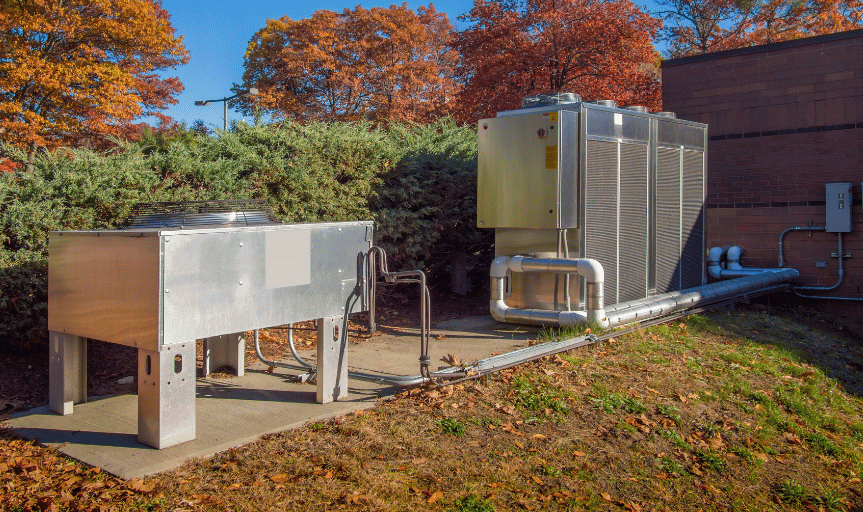
A stress-free September? How PROCOLD helps prepare your installation for the cooling season – from canisters to tankers!
Early September. The sun is still warm, but there is already a hint of autumn in the air. […]
29/11/2025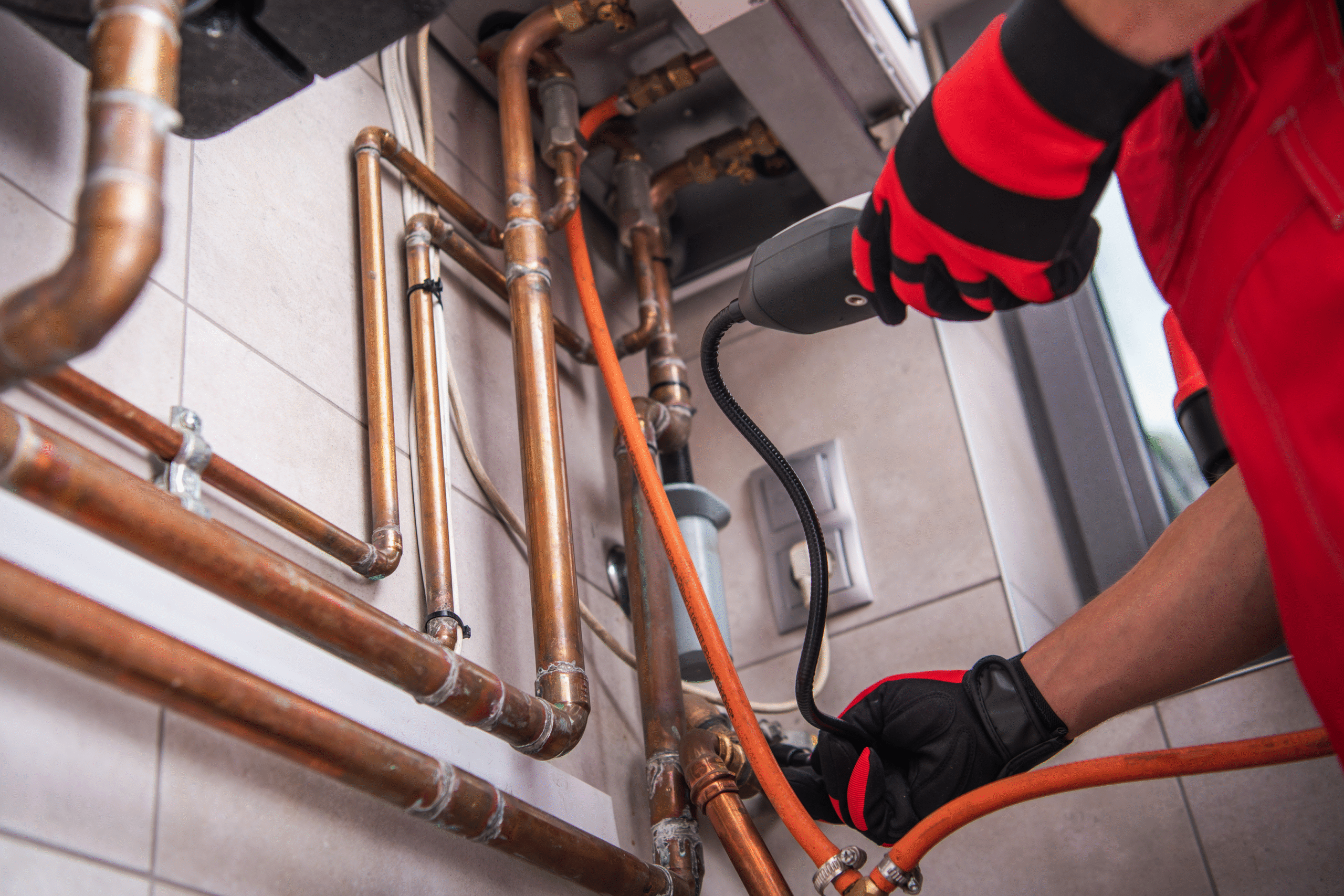
Glycol versus Supercool – which cools your system better?
Choosing the right antifreeze for your system is crucial for its efficiency, reliability, and longevity. We often colloquially […]
17/10/2025
How to properly prepare the system before filling it with new antifreeze? The role of flushing agents, inhibitors, and diagnostics
In the HVAC industry, there is increasing talk about a responsible approach to the operation of heating, cooling, […]
09/10/2025