




How to prime a heat pump?
The outdoor and indoor heat pump units are connected at the installation site, where the system is to operate, for example at home or company. For this reason, it is not possible to pre-fill such systems at the factory. In order for the system to function properly, the pipes must be properly prepared and cleaned after soldering to prevent the ingress of impurities. What steps should be taken before filling the system with antifreeze? Read our article to find out!

Cleaning
The pipework connecting the outdoor and indoor units consists of copper pipes, which are joined by brazing. This operation generates a large amount of impurities, including metal filings, tow residues or sand particles. If these enter the system with the fluid, they can disturb its flow, resulting in reduced pump performance and increased operating costs.
For this reason, it is advisable to flush the system with the FLUSH solution, which not only will clean the pipes of impurities that have entered the system during installation, but will also provide protection against corrosion.
It has to be stressed that the above-mentioned recommendation applies to new systems. But what about topping up existing systems or replacing working fluids? In such cases, the basic procedure is the same. After draining the old fluid, the system should be flushed with FLUSH solution. Only then can it be filled with new fluid.

Filling the system
Once the system has been thoroughly cleaned and checked for possible leaks, it is time to fill it with the fluid. In the article ”Fluids for priming heat pumps”, we discussed which medium will work best for this type of system. If you are short on time, we have summarised the available antifreeze solutions below.
- Monopropylene glycol – By far the best option for any system. It is environmentally friendly and safe for humans and animals in the event it is released to the environment. It has very good physical and chemical properties, increasing the efficiency of the system. Suitable for use wherever there is a risk of contact of the fluid with food, humans or animals.
- Monoethylene glycol – It has similar properties to monopropylene glycol, but a lower viscosity, which allows for even more efficient and economical operation. Unfortunately, it is toxic and should not be used in domestic or any other systems where there is a risk of contamination.
- Water – Priming systems with water is not recommended for European climate. Even with temperatures slightly below zero and a short power failure, there is a risk water freezing in the pipes and bursting them, resulting in extremely costly damage.

Task for experts
Refilling the working fluid in the heat pump systems is a task for experienced professional with the right tools and knowledge to do the job properly. This will ensure long service life of the heat pump. If you do it by yourself, you run the risk of voiding the warranty if the fluid you use does not meet the requirements of the system manufacturer!
Articles
Glycol or Water in Underfloor Heating with a Heat Pump?
Glycol in underfloor heating systems with heat pumps is now a safety standard. Find out why choosing the […]
29/12/2025
5 signs that the antifreeze in your system needs urgent replacement – a practical guide for installers and industry
Antifreeze fluids — propylene glycol, ethylene glycol, brines or potassium formate solutions — play a key role in […]
10/12/2025
A stress-free September? How PROCOLD helps prepare your installation for the cooling season – from canisters to tankers!
Early September. The sun is still warm, but there is already a hint of autumn in the air. […]
29/11/2025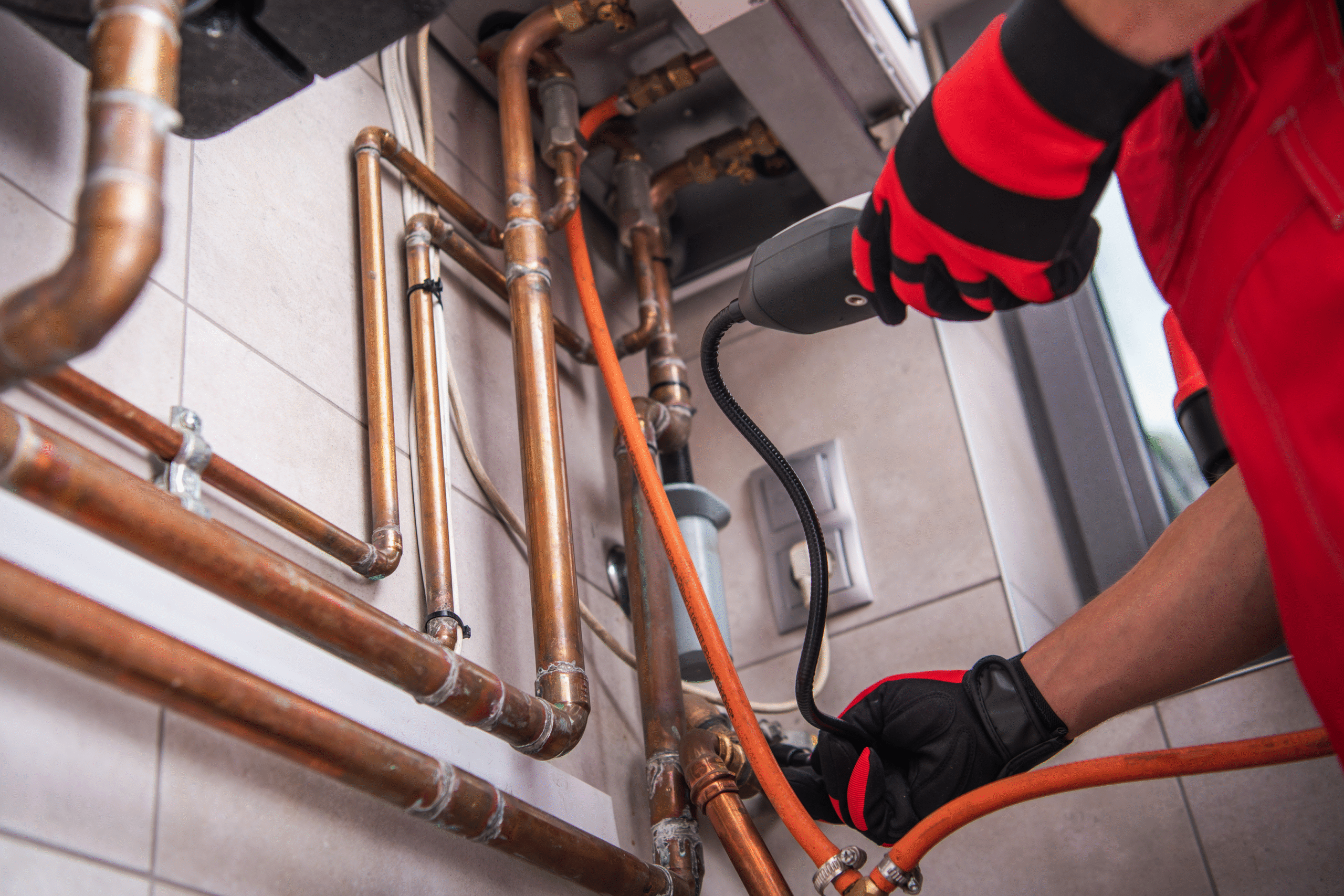
Glycol versus Supercool – which cools your system better?
Choosing the right antifreeze for your system is crucial for its efficiency, reliability, and longevity. We often colloquially […]
17/10/2025
How to properly prepare the system before filling it with new antifreeze? The role of flushing agents, inhibitors, and diagnostics
In the HVAC industry, there is increasing talk about a responsible approach to the operation of heating, cooling, […]
09/10/2025
Impact of antifreeze quality on HVAC systems
Antifreeze fluids play a key role in HVAC systems. They are not only a medium that transports heat […]
29/11/2024
Modern flushing and filling station – your partner in keeping your installation in perfect condition
Nowadays, the efficiency and reliability of heating, cooling and HVAC systems are crucial for both residential and industrial […]
15/11/2024
What are the prospects for the development of antifreeze fluids in the context of increasing energy requirements?
In the face of global change and increasing energy demands, the refrigeration and heating industry is facing new […]
23/08/2024