




5 signs that the antifreeze in your system needs urgent replacement – a practical guide for installers and industry
Antifreeze fluids — propylene glycol, ethylene glycol, brines or potassium formate solutions — play a key role in maintaining the efficiency of heating, cooling, HVAC, geothermal and solar systems. Over time, however, the medium loses its protective properties, leading to corrosion, deposits, reduced efficiency and the risk of failure.
If you want to better understand why fluid quality has such a big impact on the service life of your system, we also recommend the article:
👉 Impact of antifreeze quality on HVAC systems
Below are 5 key signs that clearly indicate that the fluid in your system needs to be replaced immediately.

1. Contamination, deposits and traces of corrosion
Worrying symptoms:
- cloudiness, darkening, precipitated sediments,
- brown or black colour of the fluid,
- floating corrosion products.
Sediments act as abrasives, damaging pumps, valves and exchangers. If rust appears in the system, it means that the inhibitors (e.g. AQUACORR) contained in fluids such as FACTORY, GEOTHERMAL or SUPERCOOL have lost their effectiveness.

2. Decrease in plant efficiency and increase in energy consumption
Degradation of the medium immediately affects the operation of the system.
Practical effects:
- poorer heat exchange,
- overloaded pumps,
- longer heating/cooling times,
- even a double-digit per cent increase in operating costs.
Just 1 mm of sediment on the exchanger can reduce efficiency by approx. 10%. This translates into real losses in industrial and large-area installations.
3. Deterioration of physicochemical parameters
Not all problems are visible to the naked eye, which is why fluid testing is crucial.
For inspection:
- pH,
- concentration and freezing point,
- water content,
- density and colour,
- presence of metals from corrosion.
Regular testing allows problems to be detected before damage occurs to the pump, exchanger or pipeline. A refractometer is useful for quick on-site checks.
4. Leakage or unsealing of the installation
A leak may indicate:
- chemical reactions between fluids,
- the formation of deposits blocking system components,
- inhibitor degradation.
It is particularly important whether the installation operates with a toxic fluid (MEG) or a safe fluid (MPG). In systems exposed to user contact, only propylene glycol is recommended.
Modern fluids, such as FACTORY GLY, FACTORY EKO D and SUPERCOOL, contain a fluorescent leak detector visible under a UV lamp.
5. Suspicion that the fluid is regenerated
Why are they dangerous?
- unknown composition and unstable properties,
- lack of a complete inhibitor package,
- rapid sediment formation,
- very short medium life.
The low price of regenerated material is an apparent saving — in practice, it leads to downtime and the need to clean the installation.
Case Study – a real situation from an industrial facility
Facility: 6,500 m² warehouse
Problem: decrease in heater efficiency, increase in energy consumption
During servicing, the following was found:
- contaminated, brown liquid,
- low pH and loss of inhibitor effectiveness,
- sediment on heat exchangers,
- excessively low glycol concentration (dilution due to top-ups).
Tests showed that a regenerative agent had been added to the system, which deactivated the properties of the original fluid. The resulting deposits increased flow resistance, and the pump operated at increased power consumption.
Consequences: the need to thoroughly flush the system, service the pump and replace the entire medium — the total cost exceeded the “savings” on cheap fluid many times over.

What should you do if the fluid needs replacing?
1. Clean the system with a suitable flushing agent.
- New installations: FACTORY FLUSH, SUPERCOOL FLUSH
- Contaminated installations: AQUACORR CLEANER (requires thorough flushing)
2. Dispose of used fluid for recycling.
3. Fill the system with certified fluid.
The selection depends on the system:
- propylene glycol — HVAC, central heating, food industry, installations exposed to user contact
- ethylene glycol — large refrigeration installations
- SUPERCOOL (potassium formate) — high-performance industrial systems
- brines — geothermal energy and refrigeration
Concentrates should only be diluted with demineralised water.
Summary
If the system shows signs of deposits, corrosion, reduced performance, parameter changes, leaks, or there is a risk of using regenerated fluid, the antifreeze must be replaced immediately.
This is the simplest and most cost-effective way to prevent breakdowns, maintain efficiency and minimise operating costs, especially in industrial and HVAC installations.
Would you like to select the right fluid for your industrial or serviced installation?
Write to us — we will advise you!
Articles
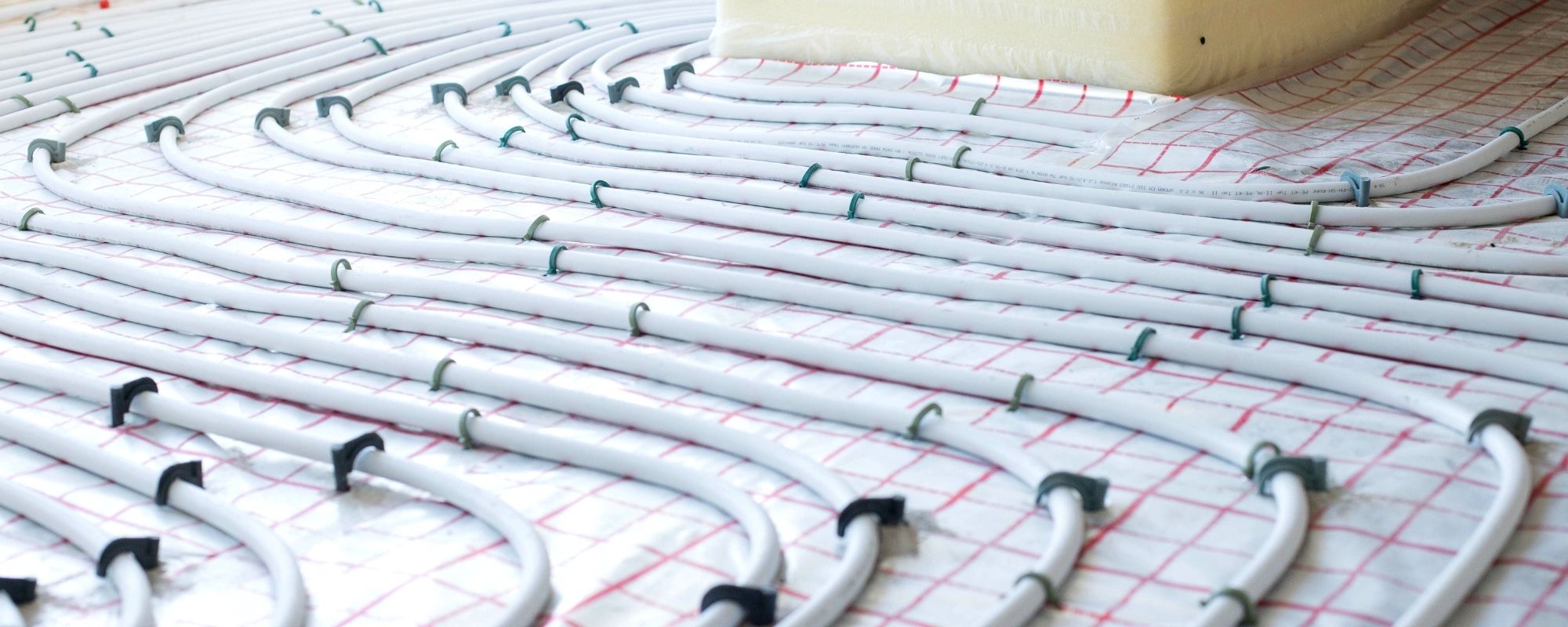
Glycol or Water in Underfloor Heating with a Heat Pump?
Glycol in underfloor heating systems with heat pumps is now a safety standard. Find out why choosing the […]
29/12/2025
5 signs that the antifreeze in your system needs urgent replacement – a practical guide for installers and industry
Antifreeze fluids — propylene glycol, ethylene glycol, brines or potassium formate solutions — play a key role in […]
10/12/2025
A stress-free September? How PROCOLD helps prepare your installation for the cooling season – from canisters to tankers!
Early September. The sun is still warm, but there is already a hint of autumn in the air. […]
29/11/2025
Glycol versus Supercool – which cools your system better?
Choosing the right antifreeze for your system is crucial for its efficiency, reliability, and longevity. We often colloquially […]
17/10/2025
How to properly prepare the system before filling it with new antifreeze? The role of flushing agents, inhibitors, and diagnostics
In the HVAC industry, there is increasing talk about a responsible approach to the operation of heating, cooling, […]
09/10/2025
Impact of antifreeze quality on HVAC systems
Antifreeze fluids play a key role in HVAC systems. They are not only a medium that transports heat […]
29/11/2024
Modern flushing and filling station – your partner in keeping your installation in perfect condition
Nowadays, the efficiency and reliability of heating, cooling and HVAC systems are crucial for both residential and industrial […]
15/11/2024
What are the prospects for the development of antifreeze fluids in the context of increasing energy requirements?
In the face of global change and increasing energy demands, the refrigeration and heating industry is facing new […]
23/08/2024