





How to distinguish high-quality antifreeze fluids from counterfeits? A consumer’s guide.
Antifreeze fluids are essential for the proper functioning of heating systems, including solar installations, heat pumps, and traditional boilers. Unfortunately, counterfeit products, reconditioned fluids, and products that do not provide adequate protection or even harm your installation are also available on the market. So how can you differentiate high-quality antifreeze fluids from counterfeits? Here are a few tips.

1. Find information about the manufacturer.
High-quality antifreeze fluids are usually produced by reputable companies that have a solid market position and enjoy consumer trust (although exceptions to this rule exist based on our experience 😉). Check if the packaging contains complete information about the manufacturer, including the company name, address, and other contact details. If these pieces of information are unclear or missing, it may be a sign that you are dealing with a counterfeit product.

It’s worth researching such a company online. Google reviews, social media, and the website provide a wealth of information that can help you make an informed decision.
2. Check the certificates and documents.

High-quality products should meet specific quality standards and have appropriate certifications and complete documentation. When making a purchase, it is worth asking for a safety data sheet, technical data sheet, and the National Institute of Hygiene (PZH) certification (if the product is marketed as environmentally friendly). However, keep in mind that dishonest sellers may falsify such information, so it is advisable to verify them on the manufacturer’s website or with the relevant certifying body.
3. Compare the price.
Although price is not always a measure of quality, a significantly lower price can be a signal that something is not right. High-quality antifreeze fluids come at a cost because manufacturers invest in high-quality raw materials, research and development, and quality testing. If a product is significantly cheaper than others on the market, it may indicate that it is a counterfeit or reconditioned product.
4. Check the packaging.
The product packaging can provide many clues about its quality. High-quality antifreeze fluids should be packaged in tight and sturdy containers that ensure product protection. Check if the packaging includes a label with all the necessary information, such as composition, usage instructions, and warnings. Careless or unprofessional packaging can be a sign that the product is not genuine.

5. Analyze the appearance.
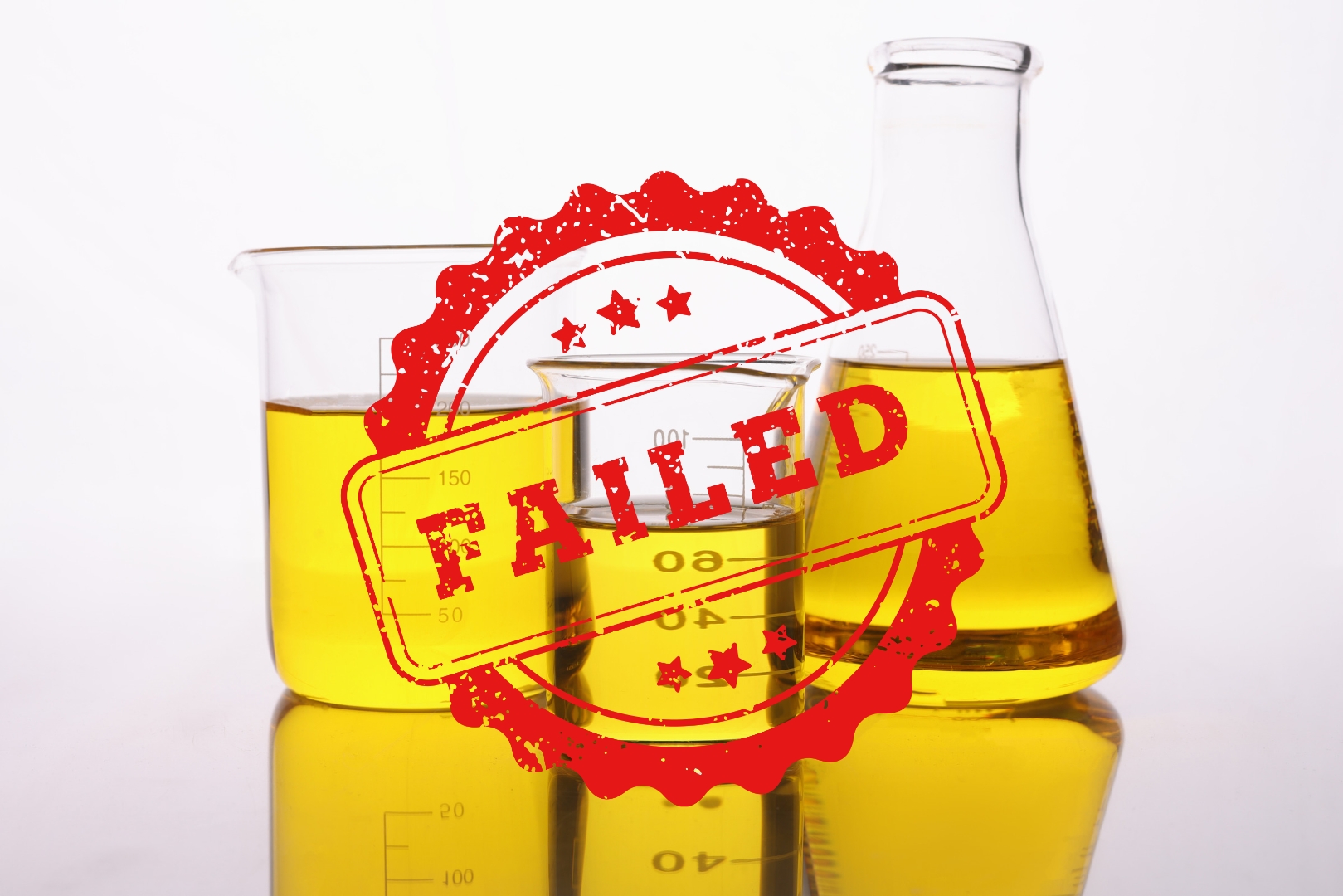
High-quality antifreeze fluids should have a uniform appearance, with no signs of separation or foaming. It is commonly accepted that technically oriented antifreeze fluids are blue in color, while environmentally friendly ones are green. Therefore, if you ordered an environmentally friendly fluid and it is blue in color, it should particularly grab your attention.

If the fluid has no sediment or visible impurities and has the appropriate color, it is likely a high-quality product. However, if the fluid has an unusual odor, color, or appears cloudy, it may be a sign that it is a counterfeit.
Summary
Distinguishing high-quality antifreeze fluids from counterfeits may require some effort and research, but it is crucial for the protection of your heating system. Remember to always purchase products from trusted suppliers and manufacturers to ensure that you are getting the highest quality product.
Articles
Heat-Transfer Fluid Viscosity in HVAC Systems: Why It Matters for Flow and Pump Selection
Learn how fluid viscosity affects flow, pump selection and HVAC system performance—and why every heat-transfer fluid requires the […]
05/08/2026
How to Detect Leaks in an HVAC System? The Prolight D1018 Detector Lamp in Practice
See how the Prolight D1018 helps you quickly detect leaks in HVAC systems.
02/07/2026
QuickTest Inhibitor – a quick check of the anti-corrosion protection of HVAC installations
See how QuickTest Inhibitor test strips help you quickly verify the level of corrosion protection in HVAC systems […]
01/06/2026
HVAC Optimization: How Aquacorr SI Restores System Efficiency (Case Study)
How can you protect your central heating and HVAC systems from corrosion? Discover an effective solution based on […]
28/04/2026
Water in a Heat Pump System – What Really Determines System Longevity?
HVAC system fluid – a key yet often overlooked factor in system longevity.
30/03/2026
Delivery of Factory ECO to a Large Installation – Behind the Logistics Process
What does the delivery of Factory ECO to a large installation look like? Discover the logistics process, loading […]
13/02/2026
SUPERCOOL – a new era of efficiency in industrial refrigeratio
SUPERCOOL is a breakthrough in industrial refrigeration. Discover how potassium formate reduces energy costs and increases the efficiency […]
30/01/2026
Glycol or Water in Underfloor Heating with a Heat Pump?
Glycol in underfloor heating systems with heat pumps is now a safety standard. Find out why choosing the […]
29/12/2025