




SUPERCOOL – a new era of efficiency in industrial refrigeratio
Why is potassium ammonium being replaced by conventional glycols?
Industrial refrigeration technology, HVAC systems and technological cooling systems are currently facing a challenge: maximum performance with minimum energy costs. For years, glycol solutions were the standard, but developments in refrigeration technology show that there is a genuine alternative to this solution.
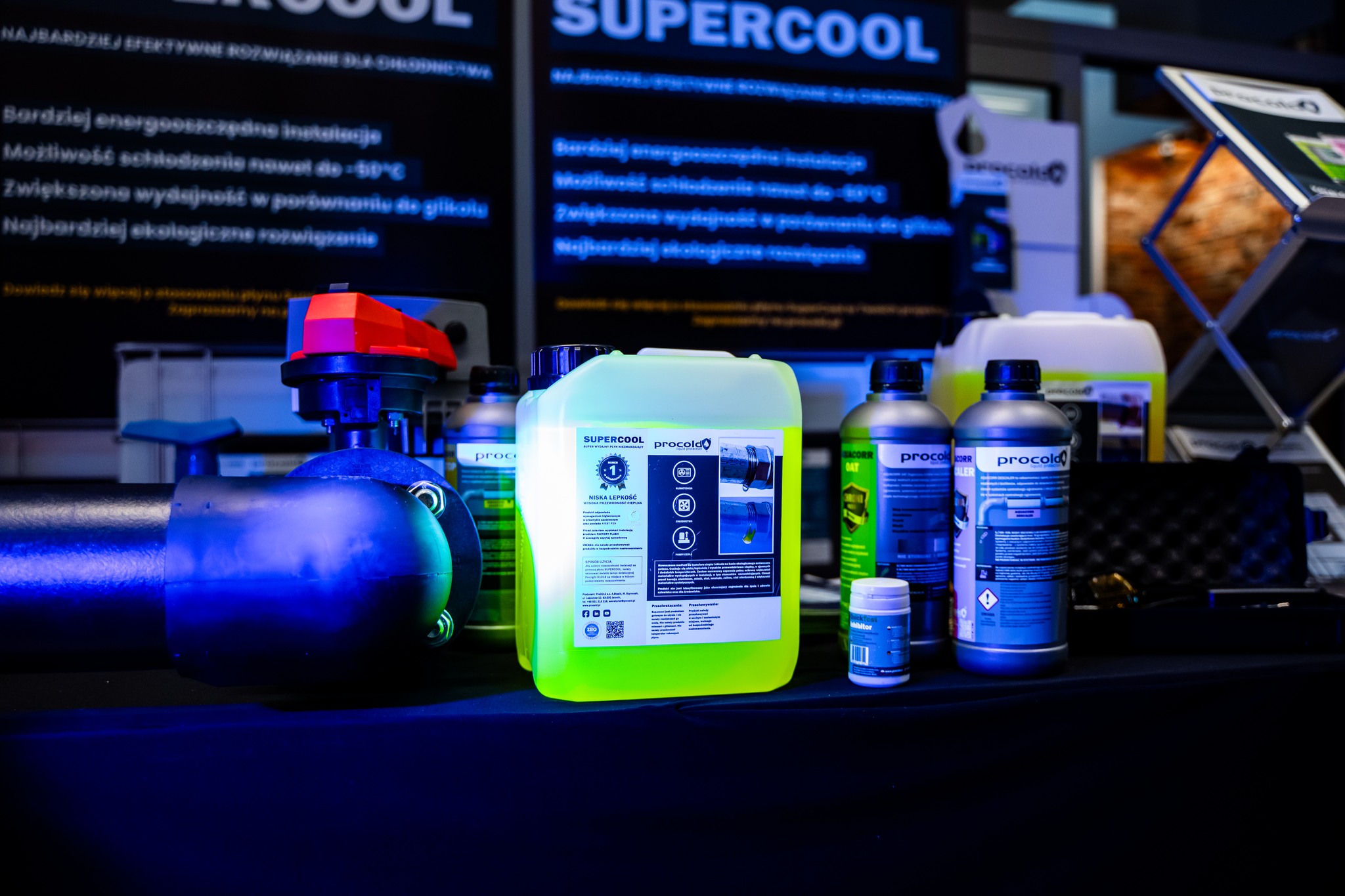
This alternative is SUPERCOOL – an innovative heat transfer fluid based on potassium formate, offered by PROCOLD. This solution is changing the way modern refrigeration systems are designed and operated.
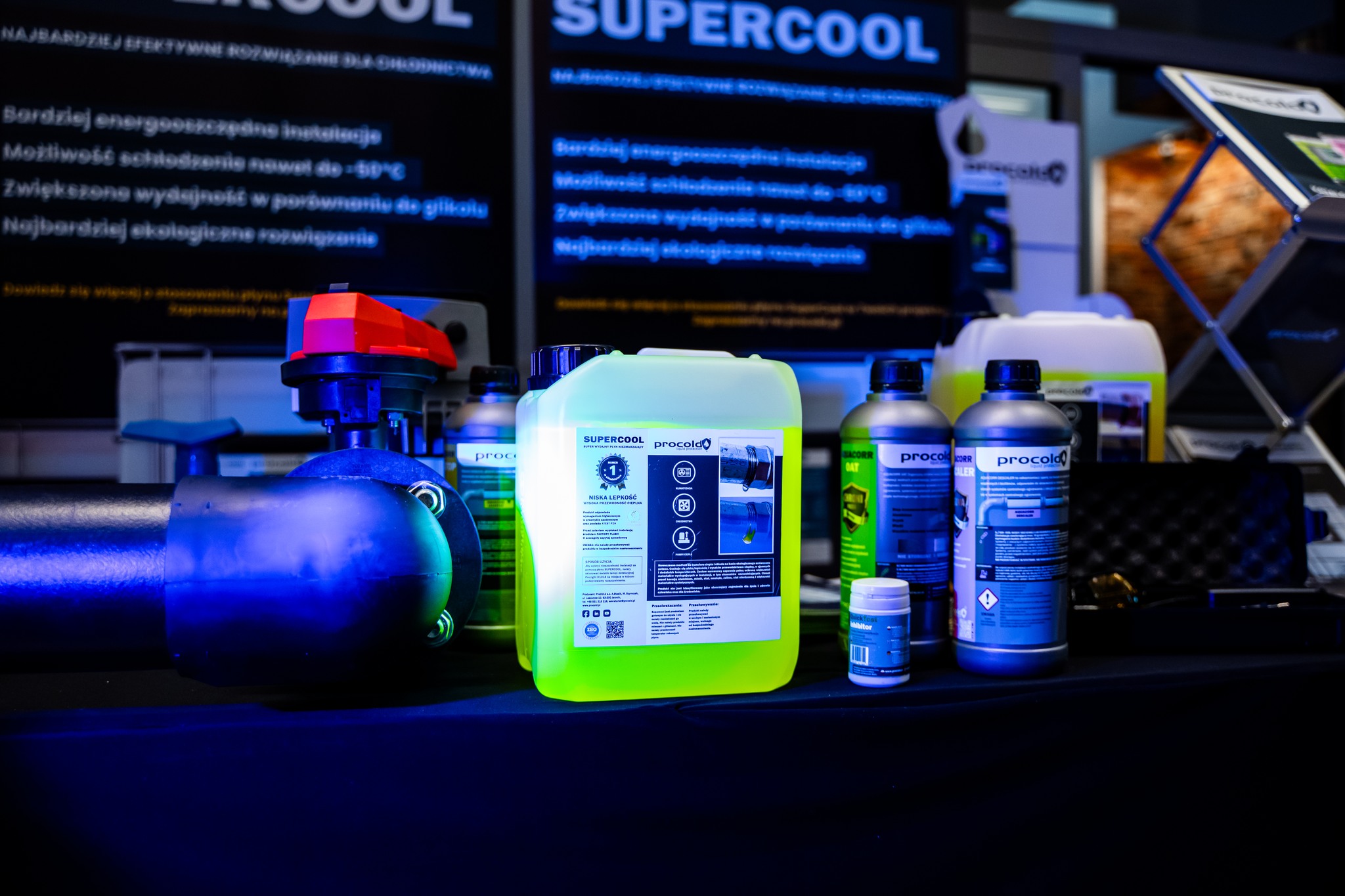
What is SUPERCOOL and why is it not just “another glycol”?
SUPERCOOL is a high-performance, environmentally friendly refrigerant designed for:
- HVAC installations,
- industrial refrigeration,
- cooling systems in the food industry,
- installations requiring very low operating temperatures.
Unlike traditional glycols (ethylene and propylene), SUPERCOOL is based on potassium formate, which has significantly better physicochemical properties.
Key properties of SUPERCOOL:
- operating temperature range: from –50°C to +50°C,
- low viscosity even at very low temperatures,
- high thermal conductivity,
- safety of use in installations in contact with food,
- confirmed quality – PZH certificate.
Dedicated installation – the foundation for maximum efficiency
SUPERCOOL is not a “pour instead of glycol” replacement. It is a medium that requires a dedicated installation design, but this is precisely where its greatest advantage lies.
What does the investor gain?
🔹 Smaller circulation pumps
Thanks to the low viscosity of potassium formate, hydraulic resistance is significantly lower than in the case of glycol. Effect:
- lower power requirements for pumps,
- lower electricity consumption,
- longer service life of equipment.
🔹 Smaller and cheaper heat exchangers
Better heat transfer means the possibility of:
- reduction of the exchange surface area,
- reducing the size of devices,
- reducing investment costs.
What do the data say? Comparison of glycol and SUPERCOOL properties at –30°C
| Propylene glycol –30°C | 5.4 | 14.5 | 149.7 |
| Ethylene glycol –30°C | 3.3 | 6.8 | 40.8 |
| SUPERCOOL –30°C | 1.4 | 2.4 | 7.5 |
| Operating temperature of the system [°C] | 20 | 0 | –30 |
| Propylene glycol –30°C | 0.391 | 0.389 | 0.387 |
| Ethylene glycol –30°C | 0.436 | 0.435 | 0.429 |
| SUPERCOOL –30°C | 0.560 | 0.490 | 0.460 |
| Operating temperature of the system [°C] | 20 | 0 | –30 |
The table compares the physical properties of three working fluids operating at –30°C, a typical temperature for industrial refrigeration systems: propylene glycol, ethylene glycol and SUPERCOOL based on potassium formate.
In terms of kinematic viscosity at –30°C, SUPERCOOL achieves a value of 2.4 mm²/s, while ethylene glycol achieves 6.8 mm²/s and propylene glycol 14.5 mm²/s. Such a significant difference means significantly lower hydraulic resistance, lower pressure losses and lower energy consumption of circulation pumps.
Thermal conductivity data is equally important. At a temperature of –30°C, SUPERCOOL achieves a value of 0.460 W/m·K, while ethylene glycol achieves 0.429 W/m·K and propylene glycol achieves 0.387 W/m·K. Higher thermal conductivity translates into more efficient heat transfer, which allows for the design of smaller and more efficient heat exchangers without compromising the performance of the installation.
Hard data: SUPERCOOL vs glycol – a case study
Independent comparative analyses compared two identical installations:
- one worked on glycol,
- second on SUPERCOOL liquid (potassium formate).
The results speak for themselves:
✔ up to 50% lower electricity consumption, ✔ over 20% lower installation costs, ✔ better operational stability at low temperatures, ✔ lower load on the entire system.
In times of rising energy prices, these savings have a real impact on the profitability of investments.
-
Intelligent safety: leak detection
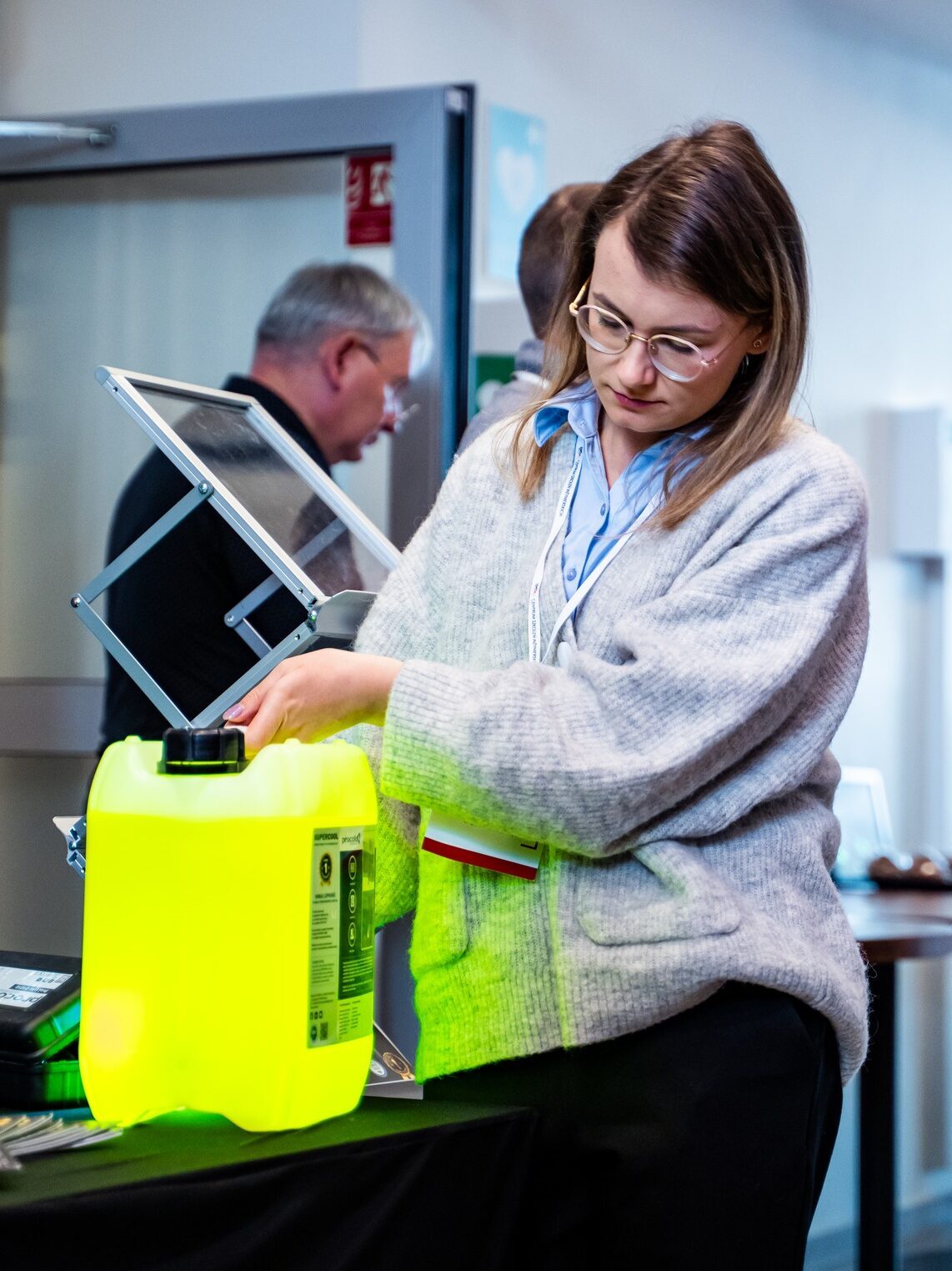
Large refrigeration systems pose a risk of leaks. SUPERCOOL is equipped with an active leak detector, which:
- reacts under the lamp ProLight D1018,
- allows even micro-leaks to be located,
- reduces service time and minimises fluid loss.
This solution is particularly valued in:
- logistics centres,
- industrial plants,
- installations with long pipelines.
Vorbereitung der Installation – der Schlüssel zu einer langjährigen Funktionsfähigkeit des Systems
Jedes System, das auf Kaliumammonium basiert, sollte entsprechend vorbereitet werden. PROCOLD empfiehlt die Verwendung von SUPERCOOL FLUSH – einem speziellen Spülmittel:
- entfernt Montageverunreinigungen,
- ist vollständig kompatibel mit SUPERCOOL-Chemikalien,
Preparing the installation – the key to many years of system operation
Any system based on potassium antimonate should be properly prepared. PROCOLD recommends using SUPERCOOL FLUSH – a specialised flushing agent:
- removes assembly contaminants,
- is fully compatible with SUPERCOOL chemistry,
- increases the service life of the entire installation,
- minimises the risk of failure from the very first start-up.
- erhöht die Lebensdauer der gesamten Anlage,
- minimiert das Ausfallrisiko bereits ab der ersten Inbetriebnahme.
Why is SUPERCOOL the future of refrigeration?
Choosing SUPERCOOL means:
- lower operating costs,
- lower energy consumption,
- modern and environmentally friendly technology,
- safety confirmed by PZH certification,
- a real competitive advantage for the investor.
PROCOLD offers no compromises – it offers solutions that set a new standard in industrial refrigeration.
Looking for a more efficient alternative to glycol?
Contact the PROCOLD experts
and find out how SUPERCOOL
can optimise your installation.
Articles
Water in a Heat Pump System – What Really Determines System Longevity?
HVAC system fluid – a key yet often overlooked factor in system longevity.
30/03/2026
Delivery of Factory ECO to a Large Installation – Behind the Logistics Process
What does the delivery of Factory ECO to a large installation look like? Discover the logistics process, loading […]
13/02/2026
SUPERCOOL – a new era of efficiency in industrial refrigeratio
SUPERCOOL is a breakthrough in industrial refrigeration. Discover how potassium formate reduces energy costs and increases the efficiency […]
30/01/2026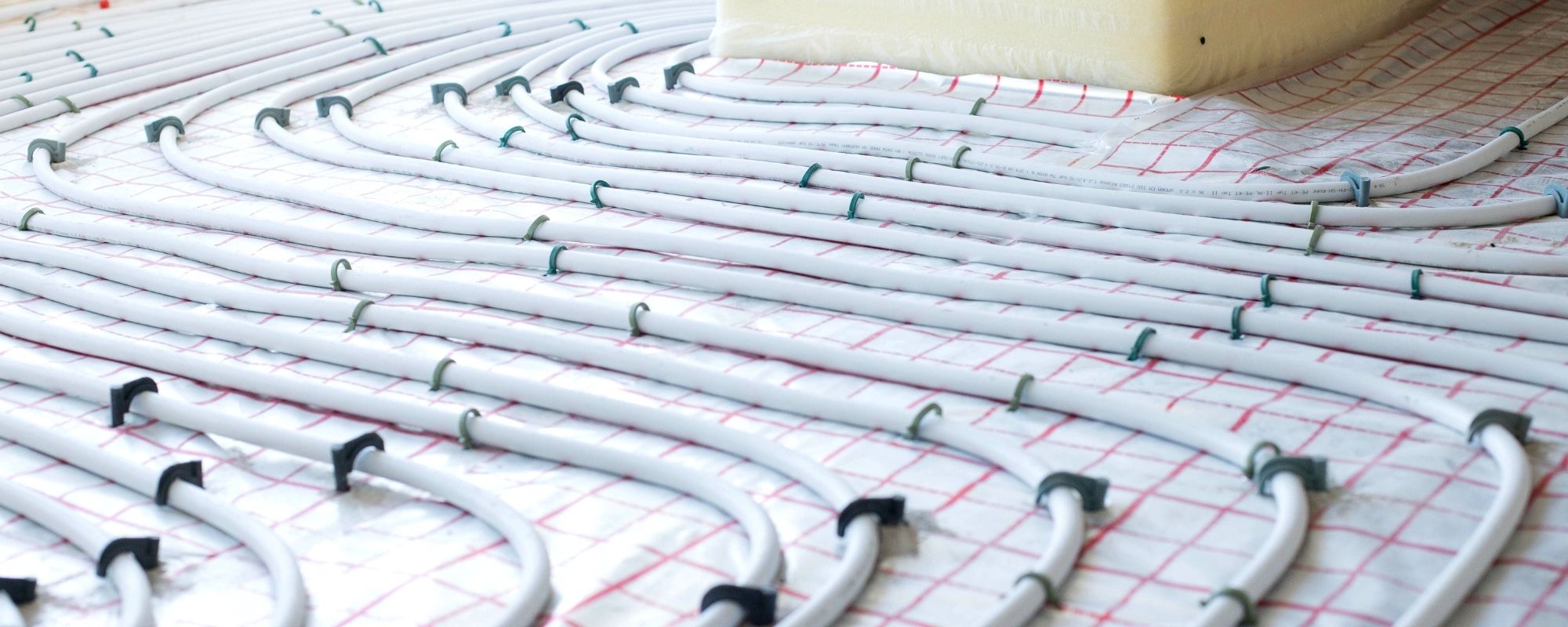
Glycol or Water in Underfloor Heating with a Heat Pump?
Glycol in underfloor heating systems with heat pumps is now a safety standard. Find out why choosing the […]
29/12/2025
5 signs that the antifreeze in your system needs urgent replacement – a practical guide for installers and industry
Antifreeze fluids — propylene glycol, ethylene glycol, brines or potassium formate solutions — play a key role in […]
10/12/2025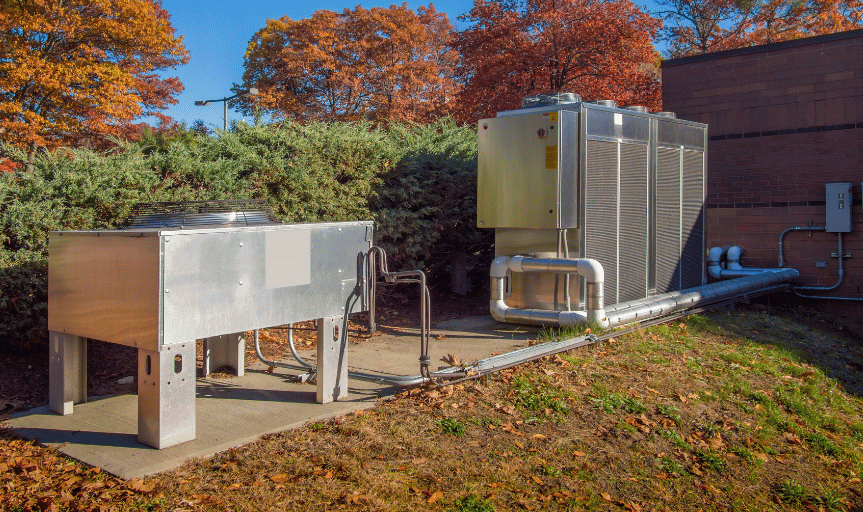
A stress-free September? How PROCOLD helps prepare your installation for the cooling season – from canisters to tankers!
Early September. The sun is still warm, but there is already a hint of autumn in the air. […]
29/11/2025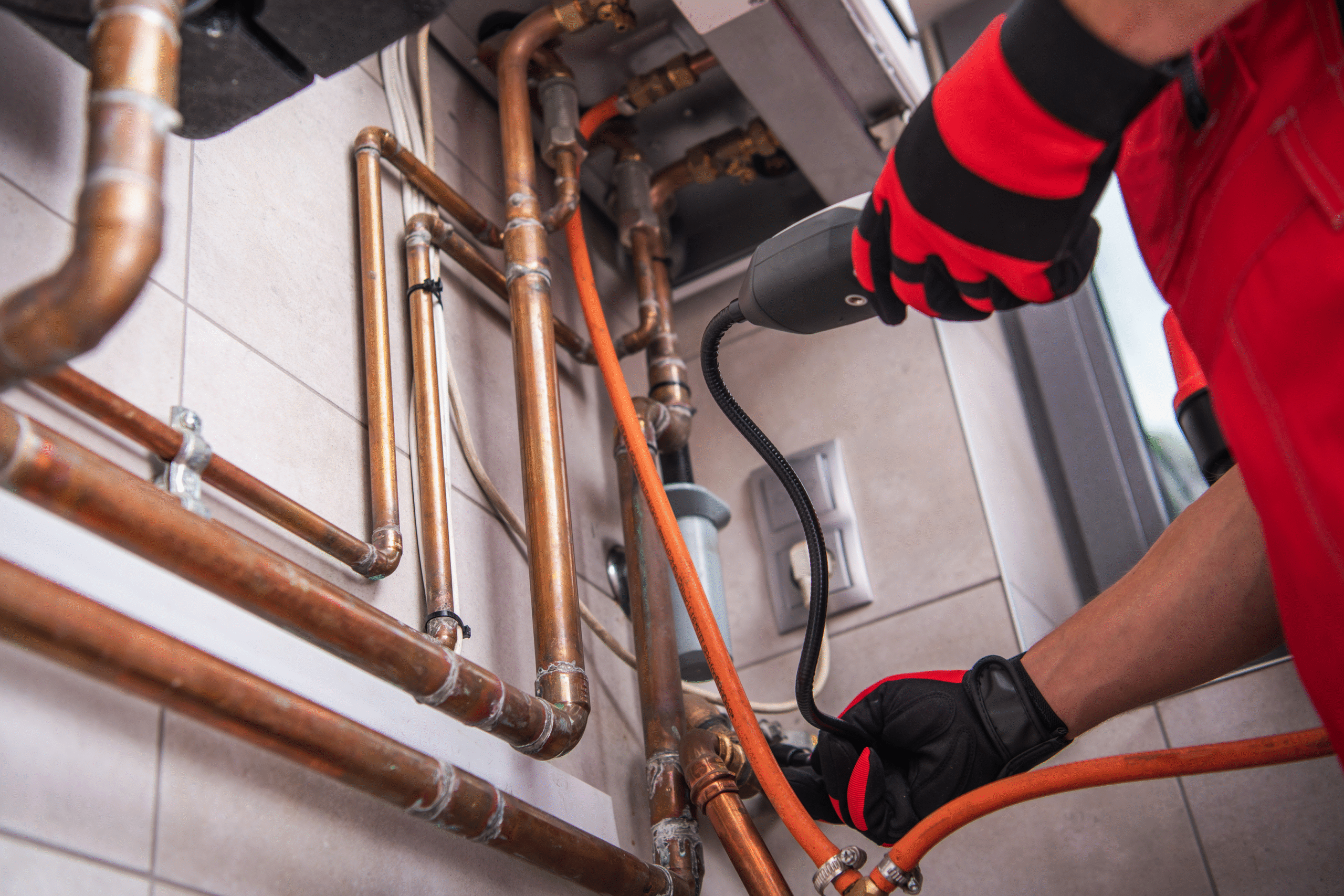
Glycol versus Supercool – which cools your system better?
Choosing the right antifreeze for your system is crucial for its efficiency, reliability, and longevity. We often colloquially […]
17/10/2025
How to properly prepare the system before filling it with new antifreeze? The role of flushing agents, inhibitors, and diagnostics
In the HVAC industry, there is increasing talk about a responsible approach to the operation of heating, cooling, […]
09/10/2025